
What Does a Window Replacement Warranty Actually Cover?
If you’re shopping for replacement windows in New Jersey, warranty coverage usually comes up early in the process. At first, it sounds simple. Then you start reading the details and realize there’s more to it.
The biggest thing to understand is that most window warranties are split into two parts. One comes from the manufacturer, and the other comes from the installer. Those two don’t always overlap, and that’s where confusion, and sometimes frustration, can come in.
Manufacturer vs. Installer Warranty: Why It Matters
Most replacement windows come with two separate warranties that cover very different things:
Manufacturer’s Warranty: This covers the window itself. That includes the frame, the glass, the hardware, and the insulating gas between panes.
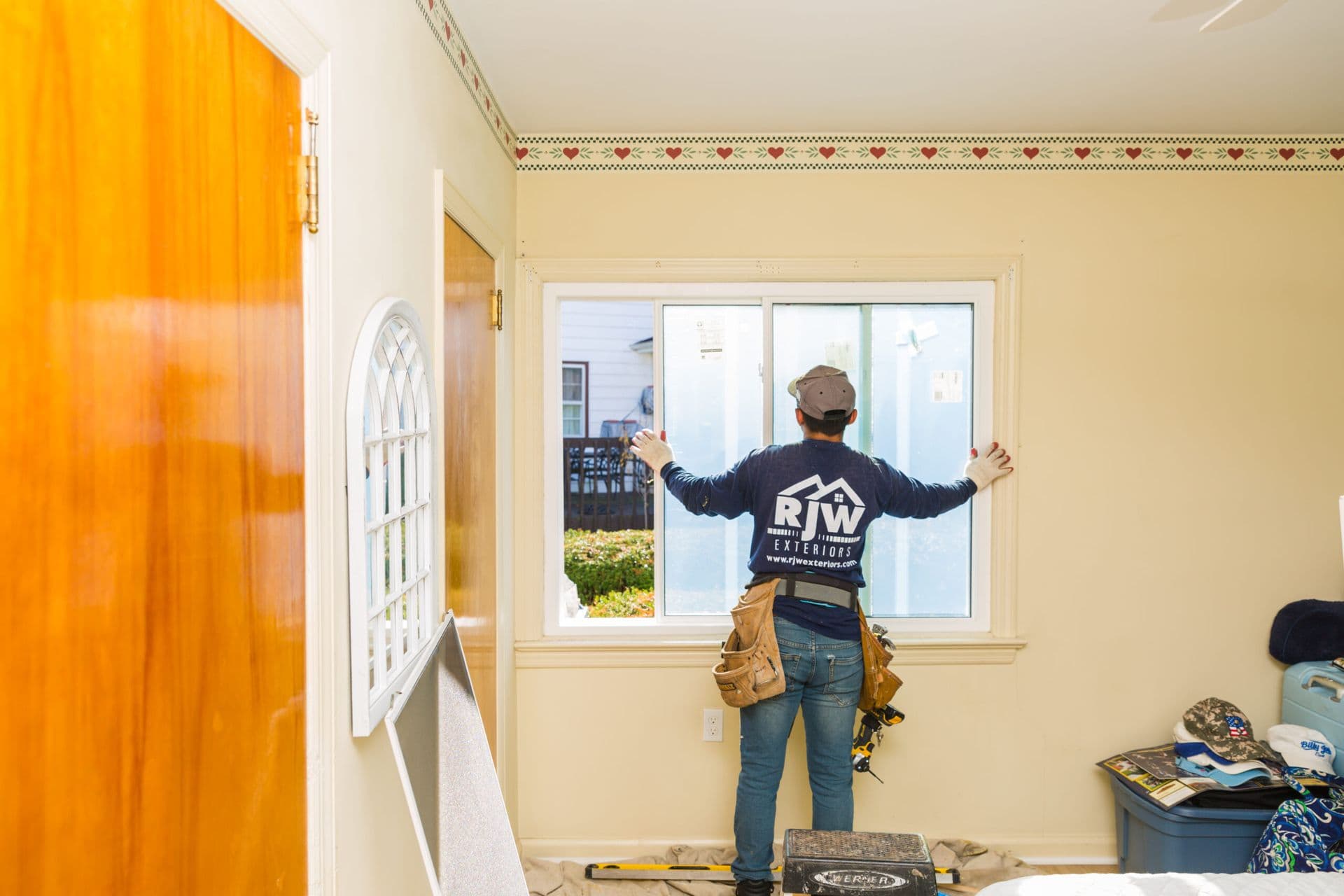
Installer’s Warranty: This covers the installation of the window. That means the fitting, sealing, and alignment of the unit inside your home.
Problems tend to show up in the space between those two. For example, if a window starts leaking or fogging, the manufacturer might blame installation, while the installer might blame a product defect. Without both types of coverage, you can end up stuck in the middle.
A solid installer warranty removes that uncertainty. If something goes wrong because of how the window was installed, the company will return to fix it at no cost. Not every contractor offers this, and some limit it to a short timeframe, so it’s worth confirming upfront.
Breaking Down the Coverage: What Each Component Means
Breaking the warranty into parts makes it easier to understand what you’re actually getting.
Frame Coverage
This typically covers manufacturing defects that cause the frame to warp, crack, or fail. It doesn’t apply to damage caused by outside factors, misuse, or structural movement in the home.
Glass & Insulating Gas Coverage
Modern windows use sealed glass units with multiple panes and insulating gas between them. If that seal fails, you’ll usually notice fogging or condensation between the panes. That’s considered a defect and is typically covered.
If the seal breaks, the insulating gas can also escape, reducing energy efficiency. That loss is usually included under glass coverage. Understanding window condensation and when it signals a seal issue helps you identify whether a claim is warranted.
Hardware Coverage
Locks, cranks, and screens are moving parts, so they naturally see more wear over time. Warranty coverage here usually applies to manufacturing defects, not damage from regular use or misuse. Some warranties limit hardware coverage more than other components, so it’s worth checking the details.
Installation Labor Coverage
This is where the installer’s warranty comes into play. If a window develops drafts, leaks, or alignment issues because it wasn’t installed correctly, labor coverage means the installer will come back and fix them.
Lifetime, Limited, & Prorated: What Those Terms Really Mean
The word “lifetime” gets used a lot in window warranties, but it doesn’t always mean what people expect. Here’s how the most common structures work:
Lifetime Non-Prorated: Full coverage for as long as the warranty applies. If something fails years down the line, it’s still covered at full value.
Lifetime Prorated: Coverage decreases over time. You’re still covered, but the amount paid toward a replacement may be reduced.
Limited Warranty: Covers certain parts for a set period. Once that time passes, coverage ends.
“Lifetime” can also refer to either the original homeowner or the home itself, depending on how the warranty is written. Some warranties transfer to a new owner if you sell the house, while others don’t. That detail can matter more than you think. For more details, see how long your window warranty lasts.
What Most Window Warranties Don’t Cover
Even strong warranties have limits. Knowing what’s excluded can help you avoid surprises later. Most window warranties do not cover:
Damage from accidents, impacts, or forced entry
Normal wear and tear on hardware over time
Problems caused by improper cleaning or a lack of maintenance
Structural issues in the home that affect the window opening
Understanding these exclusions upfront makes it easier to compare companies and ask the right questions.
Questions to Ask Before You Sign Anything
Before you move forward with any window company, it’s worth getting clear answers to a few key questions:
Is the warranty non-prorated for the full term?
Does it cover both the product and the installation?
Is it transferable if I sell my home?
Who handles warranty claims?
What documentation will I receive after installation?
The answers will tell you whether you’re looking at real, long-term coverage or something that looks better on paper than it performs in practice. Before that stage, comparing replacement window quotes and knowing what to consider before buying are worth your time.
What to Look for in a Window Warranty in New Jersey
New Jersey’s climate puts windows through a lot. Temperature swings, humidity, and cold winters all affect how seals and materials perform over time.
That’s why coverage on things like glass seals, insulating gas, and installation matters here. It’s also why working with a local company can simplify things. When both the product and installation are backed in one place, you’re not trying to sort out responsibility between different companies if something goes wrong.
RJW Home installs Home Guard Windows with a lifetime, non-prorated, transferable warranty that covers the frame, glass, hardware, argon gas, and installation labor. Our warranty page has full details, and our reviews reflect how that coverage performs in practice.
Talk to a New Jersey Window Replacement Expert
If you’re comparing window options or trying to understand warranty coverage, it helps to talk through the details with someone who can explain what actually applies to your home. RJW Home installs replacement windows and backs both the product and the installation. If you have questions or want to get a clear estimate, reach out to schedule a consultation.