
Will a New Door Reduce My Energy Costs?
Keep More Heated and Cooled Air Inside
Standing by your front door and feeling a breeze that has no business being there is usually the first clue that something needs attention. Once the door, frame, weatherstripping, or threshold starts to break down, warmed and cooled air finds its way out through the smallest openings. Outdoor air seeps in, too, making your HVAC system run longer than it should.
A new door won't transform every homeowner's utility bill overnight. What you save depends on the shape of your door, the model you choose, and how carefully it's installed. Regardless of those variables, swapping out an inefficient exterior door remains a smart move toward a more efficient home. And at RJW Home, we help homeowners across Northern New Jersey take that step with confidence.
The Role of Insulation and Installation
When your current door is drafty, thin on insulation, damaged, or loose in its frame, replacing it can definitely reduce your heating and cooling costs. Modern doors are usually made of insulated fiberglass or steel and often include a dense insulating core, snug weatherstripping, and features designed to slow air movement.
Even a high-quality door falls short of its potential when the opening is uneven or the framing has deteriorated. Every component plays a part, from the slab and frame to the sill, weatherstripping, and glass. That's why the installation process is worth just as much consideration as the door selection.
Inside an Energy-Efficient Entry Door
An energy-efficient door creates a barrier between your living areas and the shifting temperatures outside. Several components work in tandem to pull that off, such as:
Insulated Door Core
Fiberglass and steel doors often carry a polyurethane foam core at their center. This inner layer slows the rate at which heat travels through the door, keeping more warmth indoors during winter and holding back outdoor heat during summer months.
Weatherstripping
Weatherstripping lines the sides and top of the door to form a seal once it's shut. That seal blocks drafts and keeps conditioned air from slipping out. Over time, this material wears down and needs to be replaced to keep the seal intact.
Properly-Fitted Threshold
The threshold and bottom sweep close off the gap beneath the door. A worn sweep or an out-of-alignment threshold leaves an opening for air, moisture, and debris to enter. Keeping this component adjusted supports the rest of the door's performance.
Energy-Efficient Glass
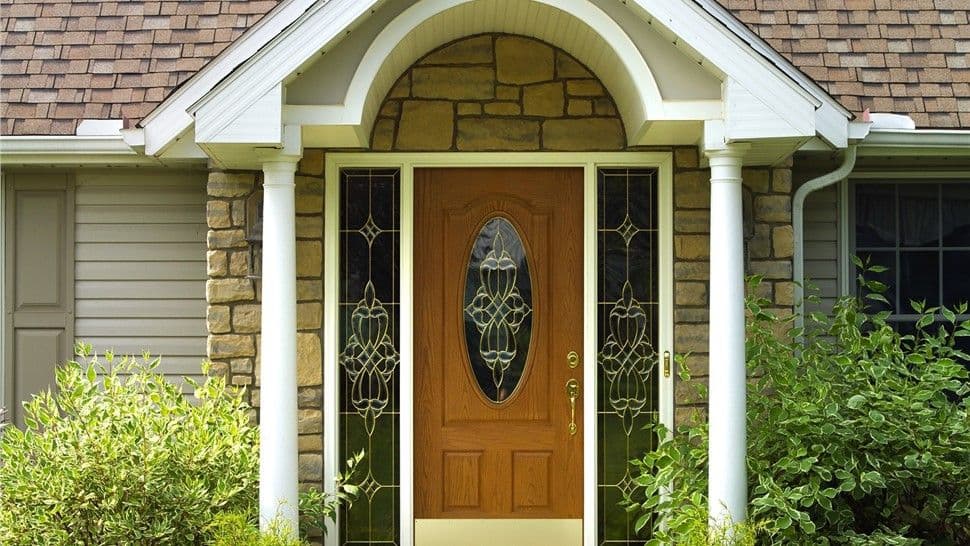
Decorative glass carries more weight in a door's energy rating than most people expect. Insulated glass packages, low-emissivity coatings, and multiple panes work together to reduce heat transfer while still letting sunlight brighten the entryway.
Professional Installation
Without precise measurements and a skilled installation process, even a well-built door won't reach its full potential. Gaps between the frame and the surrounding wall need proper insulation and sealing, and the door must sit square in its opening.
Why Some Homes See More Savings Than Others
There isn't a universal savings figure that applies to every household. What you save depends on multiple factors working together, including:
The age and condition of your existing door
The size and placement of the opening
How much air currently escapes around it
The insulation value of your replacement door
The style and amount of decorative glass
The condition of the surrounding frame
The quality of the installation
Your home's broader insulation and efficiency
A severely worn or poorly fitted door tends to show a bigger improvement than one that's fairly new and already sealing well. Many homeowners notice the comfort benefits before they see any change in their bill, including fewer drafts and steadier temperatures near the entryway.
A Closer Look at ProVia Products
RJW Home installs entry doors built by ProVia, a manufacturer known for producing insulated fiberglass and steel door systems. ProVia notes that its entry doors run 43% thicker than many standard exterior doors and can deliver up to four times the insulation of a typical fiberglass door. Our company has taken part in the ENERGY STAR program since 2002 and has picked up multiple ENERGY STAR Partner of the Year Sustained Excellence awards.
Available energy-efficient features vary depending on the collection and configuration you choose. Many ProVia doors offer polyurethane foam insulation, composite frames, insulated glass packages, Low-E glass coatings, and durable weatherstripping. Adjustable thresholds and custom sizing round out the list, helping the door fit your opening with precision.
During your consultation, we’ll walk you through these materials, glass options, finishes, hardware, and energy-performance details before you settle on a design.
How to Read ENERGY STAR Efficiency Ratings
An ENERGY STAR-certified exterior door has passed independent testing and meets the energy performance standards for its climate zone. Certification is a useful starting point, but it shouldn't be the only thing guiding your decision. A door's U-factor, solar heat gain coefficient, glass area, orientation, and installation all shape how it performs once it's in place.
A lower U-factor means less heat passes through the door, while a lower solar heat gain coefficient means less heat from the sun passes through the glass. Doors with larger glass panels may perform differently from mostly solid designs, and climate-specific ratings indicate which products are suited to colder or warmer regions. Our team can break down what these ratings mean for your home and help you find a configuration that matches your goals.
Improvements You Can See and Feel
Lower energy use is only one of the benefits a new exterior door brings to your home:
Reduced Outside Noise: Insulated materials, glass packages, and secure seals can quiet down some of the sound drifting in from nearby traffic and neighbors.
Better Curb Appeal: Your entry door is one of the first things visitors notice about your home. A fresh color, glass pattern, or panel style gives your house an updated look.
Increased Home Value: A replacement door can support resale value by improving exterior appearance, energy performance, security, and overall condition.
Enhanced Security: Newer exterior doors often feature reinforced frames, stronger materials, reliable hardware, and multipoint locking systems.
Easier Operation: Older doors tend to stick, swing open, or need extra force to close. A properly installed replacement should open, close, and lock with far less effort.
Less Maintenance: Fiberglass and steel entry doors are built to minimize many of the upkeep issues associated with aging wood doors.
A new door is a relatively small investment that pays off in ways homeowners notice right away and continue to appreciate for years to come.
Frequently Asked Questions
Are fiberglass or steel doors more energy-efficient?
Both fiberglass and steel doors can deliver dependable energy performance when they include an insulated core and are installed with care. Fiberglass resists warping from temperature swings, while steel adds durability.
Does decorative glass make a door less energy-efficient?
Glass can lower a door's insulation value compared to a mostly solid design, but that doesn't mean skipping it entirely. Insulated glass, multiple panes, Low-E coatings, and warm-edge spacers all help offset that loss.
Can I feel a change after replacing a drafty door?
Plenty of homeowners notice fewer drafts and steadier temperatures near the entryway after replacing a worn or poorly fitted door. The shift tends to stand out most in rooms where the old door was letting in a lot of outside air.
Will replacing one door lower my whole-home energy bill?
It may help, though a single door is only one part of your home's exterior envelope. Your windows, siding, roof, attic insulation, and other openings all contribute to your energy use.
How do I know if air is leaking around my door?
Watch for daylight around the frame, drafts near the edges, a loose threshold, worn weatherstripping, and shifting temperatures near the entry. You might also spot dirt or moisture collecting in areas where outside air is getting through.
Can I replace my entry door during the winter?
Entry doors can often be replaced even in colder months. Our technicians take steps to limit how long the opening stays exposed, though scheduling can still depend on temperature, precipitation, and site conditions during particularly harsh stretches.
Take Control of Energy Loss at Your Entryway
RJW Home has served New Jersey homeowners since 1994, installing ProVia entry doors and backing our work with industry-leading product and installation coverage. Our process includes a free consultation, a same-day estimate, a price that holds for an entire year, professional installation, and a final inspection.
Call RJW Home or fill out our online form to schedule a free in-home design consultation and start exploring energy-efficient entry door options for your Northern New Jersey home.